


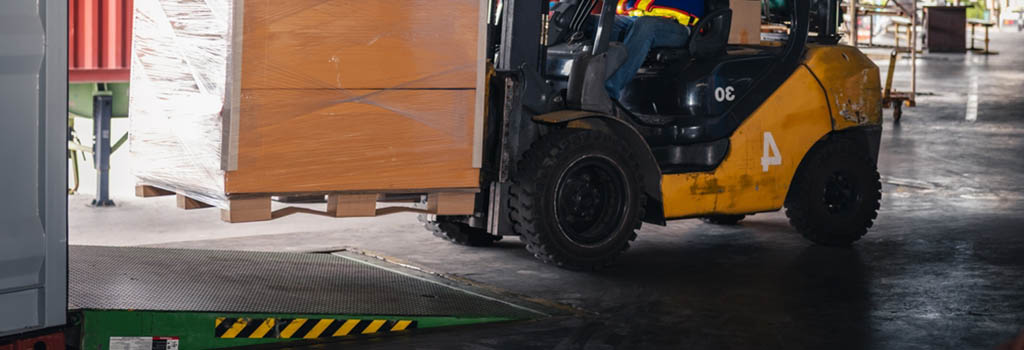
When it comes to forklift safety, the most common cause of tip-overs and accidents is due to overloading the forklift’s lifting capacity. Not only do capacity limitations need to be respected at all times, but it’s also critical for operators to understand that this capacity is not fixed. These load limitations change based on the type of load, weight balance, type of forklift, and conditions where the forklift is being operated.
You want to be sure that your crew is safe and your inventory is protected, which is why everyone on the team needs to be well-trained on forklift weight capacity and proper load management. In this article, we are breaking down a few essential safety elements that should be integrated in every workplace where forklifts are being used.
What Forklift Load Capacity Really Means
Every forklift comes with detailed load capacity limits, which indicate the maximum weight that can be lifted safely (assuming specific conditions). This rated capacity applies only to a load that is centered based on standard practices. Also, the typical mast height must be used in order for the forklift’s weight capacity to be relevant.
Also, keep in mind that the use of attachments can also affect forklift load capacity. When any element of the forklift changes, it will affect overall safety and load capacity… which can also impact stability and control.
Load Center: The Detail That Changes Everything
The term “load center” refers to the distance between the fork’s face and the center of gravity for the load. If this load center increases (there is a bigger distance between the face and center), then the forklift’s lifting capacity decreases.
Keep in mind that if you have an oversized load or the load is uneven, then the risk of an accident increases. So, managing the load center is an essential step to maintain balance and avoid injuries.
How to Read a Forklift Load Capacity Chart
Every machine comes equipped with a forklift lifting capacity chart, which shows the load safety based on different heights and load centers. You need to know the specifics of each load in order to determine how much weight can be carried.
When you are looking at these charts, remember that they are accounting for mast position and attachments. If anything changes with these elements of the forklift, then you should consult with our team for updated chart recommendations.
Every operator should receive thorough training on how to read the forklift load capacity chart since these mistakes increase the risk of overload incidents and pose a safety threat in the workplace.
How Attachments Reduce Forklift Capacity
Attachments can be helpful for different types of loads, but you need to understand how they shift the weight and load center. Some of the most common types of attachments that can impact forklift safety include fork extensions, side shifters, and clamps.
When these attachments are being used for modified loads, you need to understand and address capacity adjustments. These changes are manageable, but require a proactive approach to ensure safety for everyone involved.
Common Capacity Mistakes to Avoid
Safety is always the highest priority, which is why every team needs to watch out for these common capacity mistakes:
- Assuming Standard Forklift Capacity: When specialized loads or attachments are being used, you should never assume the standard forklift capacity. Always be aware of how attachments impact capacity.
- Lifting Higher Than Recommended: Keep in mind that lifting heights impact safety. So, never lift higher than allowed based on the chart recommendations.
- Estimating Loads and Weight: Never make assumptions or estimates about the weight or center of the load. Always verify these details in advance to avoid overloading the equipment.
Safety and Compliance Considerations
Managing your forklift lifting capacity is essential for safety, and it is also a critical component for maintaining OSHA requirements. All operators are required to implement the load ratings as instructed by the manufacturers. Failing to follow these requirements not only increases the risk of an accident, but you could also face expensive OSHA fines for non-compliance.
Another compliance requirement is to make sure that the load charts are both visible and legible. Operators need to reference this chart for every load, which is why the information needs to be posted and easily accessible.
Finally, make sure to have consistent practices in place for daily checks, inspections, and maintenance. These steps support safe habits in the workplace and ensure that you are in full compliance at all times.
FAQ
What is load center and why does it matter?
The load center is measured based on the distance between the fork’s face and the center of gravity. Load center is important because it plays a role in stability, which impacts how much weight can be safely lifted by the forklift.
How do attachments affect lifting capacity?
Attachments add weight to the load and can also shift the load forward (changing the load center). So, when attachments are added to a forklift, they can reduce the equipment’s usable capacity.
Can forklifts of the same model have different load charts?
Yes, various factors can change the load charts, such as the attachments, mast types, and configurations. Always read the load chart instead of making assumptions based on the forklift load model.
Lift Smarter by Respecting Capacity Limits
Capacity limits should be respected at all times, which is why operators and the entire team need to be trained on how to read and implement information from the lifting chart. Remember that forklift lifting capacity is not a fixed number: the load center, height, and attachments matter.
If you need more information and want to be proactive about preventing accidents and damage, then reach out to our team at BullDog Forklifts for personalized recommendations. We offer forklift services, maintenance, sales, and rentals. Contact us for information about how we can assist with your equipment and load planning.