


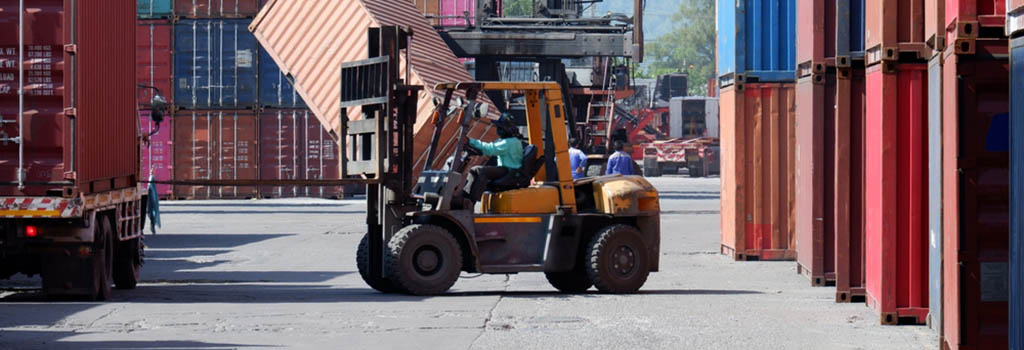
Forklifts are essential tools for most warehouses, giving your team a fast and efficient way to move products and supplies around as needed. While forklifts are an important part of your daily workflow, they also come with potential risks. In fact, forklift accidents are one of the most common causes of serious workplace injuries.
The good news is that many of these accidents are preventable. When your team is aware of the risks and proactive about mitigating these potential issues, then it’s easy to keep everyone safe and boost productivity at the same time.
The first step to preventing forklift accidents is knowing the most common causes that might be impacting your working conditions. You can use training, technology, and modern safety tools to reduce the risk of injuries, which protects your people and inventory at the same time.
Why Forklift Accidents Are So Costly
When a forklift accident happens, there can be many resulting costs that cut into your bottom line:
- Direct Costs: Some of the most common direct costs from forklift accidents include medical bills for injured employees, repair or replacement of damaged equipment, OSHA fines, and even legal expenses if an injury claim is filed.
- Indirect Costs: Additional costs might start to add up, such as downtime or loss of productivity after the accident. You might have higher insurance premiums going forward. Or, there could be additional expenses if employee turnover increases because people are worried about workplace safety.
The reality is that these common forklift accidents can have a long-term impact on your business. Not only will you be dealing with one-time losses, but operational disruptions can have a ripple effect in the future. Investing in proactive accident prevention and forklift maintenance is key to avoiding these accident-related issues.
The 7 Most Common Forklift Accidents
Knowledge is power. This list of the most common forklift accidents will help you know how to prepare by implementing an effective forklift accident prevention plan:
- Forklift Tip-Overs: One of the most dangerous things that can happen is if a forklift tips over, especially when it is carrying a heavy load. Tip-overs can happen if an operator turns too sharply or when the load is imbalanced or too heavy. Uneven surfaces can also contribute to the risk of tip-overs.
- Collisions With Pedestrians: The risk of fatalities is high when pedestrians are hit by forklifts. These accidents are most common when forklifts are operating in shared work zones or if people are walking in blind intersections. When there is a lack of separation between driving and pedestrian zones or poor visibility in the area, the risk increases.
- Falling or Dropped Loads: Even if the forklift seems to be stable, potential risks increase if the equipment is overloaded or the pallets are unstable. Team members must be trained on proper stacking techniques to reduce the risk of inventory damage and worker injuries.
- Mechanical Failures: Certain types of mechanical issues can increase the risk of an accident, such as failed brakes or steering. If there is a problem with the hydraulic system, then serious injuries could happen when the load comes crashing down. These common forklift accidents are much higher when maintenance is delayed or the proper inspection processes are skipped.
- Falls From Forklifts: Operators need to use caution when moving on and off the forklift. For example, the risk of falling increases if the operator exits the forklift improperly or doesn’t use the seatbelt. Since the platforms are elevated, it’s essential to use caution at all times, especially since there is a greater severity of injury when operators fall from a higher area.
- Struck-By Incidents: Another common cause of injury from forklift accidents is when workers or inventory are hit by moving forklifts. This risk is higher if the warehouse is congested or the aisles are narrow because the driver has lower visibility.
- Operator Error: Improper driving can also increase the likelihood of injury to the operator and other people in the area. Common operator errors include driving too fast, improper turning, or poor load management. Additionally, if the operator is tired or insufficiently trained, then there is a higher risk of an accident occurring.
How Modern Safety Technology Reduces Forklift Accidents
Even though the risk of injury is high with forklift accidents, the good news is that modern forklift safety technology can be used to reduce these risks. The most effective solution is to focus on prevention instead of waiting to respond to accidents that have already occurred. These tech solutions can fill in the gap to avoid the consequences of human error.
- Proximity Sensors and Collision Avoidance: Technology that detects obstacles (including pedestrians). Automatic slowdowns and/or alerts are built into the system to reduce the risk of collision.
- Telematics and Predictive Maintenance: It’s possible to monitor the health of your equipment in real time so that you can identify and fix maintenance issues before an accident occurs.
- Speed Limiters and Stability Control: Proactively manage how operators are using the equipment by throttling speed in the highest risk areas and using stability features to avoid tip-overs.
- Operator Monitoring and Training Tech: When operators are well-trained and proactive about maintaining compliance, then the risk of accidents decreases.
- Automation and AI-Based Detection: AI and automation can be powerful tools to help with repetitive tasks and reduce the risk of human error.
FAQ
Which forklifts have the best safety features?
Many newer forklift models come with built-in safety technology, including integrated sensors, telematics, and automated controls.
How often should forklift safety audits be conducted?
Not only do your operators need to be proactive about forklift inspections at the beginning of every shift, but they also need to schedule regular audits (especially after operational changes occur or in the aftermath of an accident).
Safer Warehouses Start with Prevention, Not Reaction
A proactive approach is the best way to maintain a safer warehouse for your team. The good news is that most of these forklift accidents are predictable, which means that they can be prevented. The best approach is to combine both technology and training to ensure that your team has a safety plan that actually works. These strategies reduce injuries and downtime, while also helping you save money in the long run.
For more information about quality forklifts and effective safety & maintenance strategies, reach out to our team at BullDog Forklifts. We offer full-service solutions, including forklift repair, maintenance, rentals, and sales. Contact us to learn more.